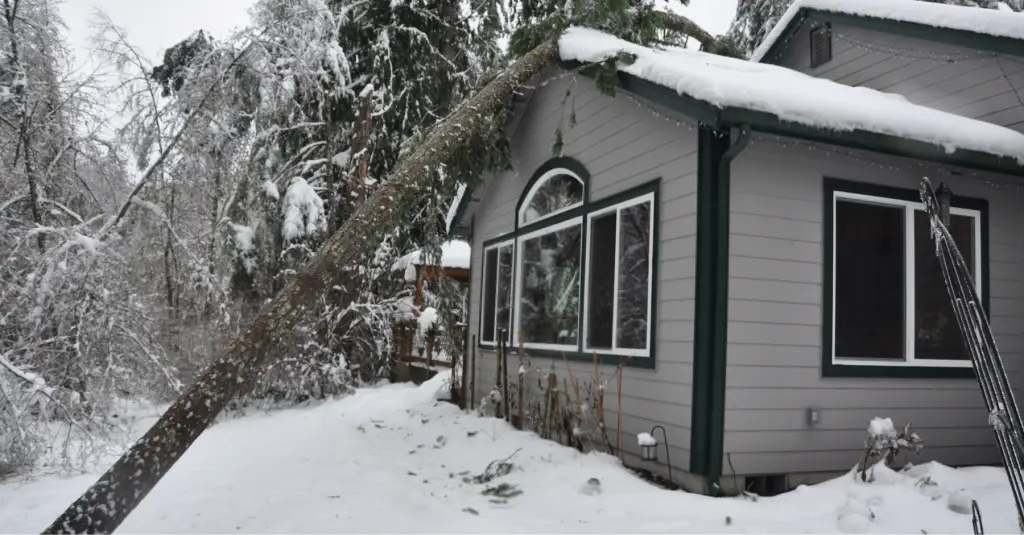
Severe winter storms have been impacting large portions of the U.S., bringing heavy snow, ice accumulation, power outages, and widespread property damage. Across the Midwest, South, and Northeast, homeowners are dealing with frozen pipes, roof stress, HVAC failures, and storm-related damage, and they’re actively searching for help.
For contractors, this kind of weather creates predictable, time-sensitive demand. The opportunity isn’t always something you can plan for, but it’s happening right now. The contractors who benefit most are the ones who can move quickly and stay visible while demand spikes.
The Types of Jobs That Spike After Winter Storms
Post-storm demand follows a familiar pattern. While every region experiences storms differently, the same categories of work tend to surge immediately after severe winter weather.
Roofing companies often see increased calls related to ice dams, snow load damage, leaks, missing shingles, and structural stress caused by prolonged freezing conditions. Even minor roof issues can quickly escalate once snow begins to melt.
Plumbing businesses experience a sharp rise in frozen and burst pipes, water line damage, leaks behind walls, and emergency shutoffs. As temperatures fluctuate, these problems tend to compound quickly.
HVAC contractors are frequently called for system failures, emergency repairs, no-heat situations, and equipment pushed beyond capacity during extreme cold. Older systems and poorly insulated homes are especially vulnerable.
Electrical contractors often see storm-related issues tied to ice accumulation, power surges, damaged service lines, and panel or breaker problems once power is restored.
General contractors and restoration-focused businesses may also see demand for water damage mitigation, ceiling and drywall repairs, exterior damage fixes, and storm-related structural issues.
Key takeaway: Homeowners are searching with urgency.
The 24-Hour Plan: What Contractors Should Do Right Now
When demand spikes overnight, there won’t be enough time to build new campaigns from scratch, and that’s okay. The fastest and most effective move for most contractors is to boost budgets on what’s already running.
Instead of launching new strategies, focus on increasing visibility for existing, high-intent campaigns. Emergency repair, service, and branded campaigns are already optimized and can scale quickly when budgets increase.
This approach allows platforms like Google Ads and Local Services Ads to continue learning and delivering results without resetting performance. It also ensures you’re capturing demand while homeowners are actively searching, not after competitors have already filled their schedules.
Speed matters more than perfection in moments like this. The goal isn’t to build the “ideal” campaign, but rather to show up when customers need help now.
Why Acting Fast Matters in Weather-Driven Demand
Severe weather is one of the clearest examples of how real-world events instantly influence marketing performance. Search behavior changes overnight, call volume surges, and competition tightens as more contractors react.
These demand windows are short. Contractors who wait for perfect data or next-week planning often miss the peak entirely. Those who act quickly (even with small, strategic adjustments), capture a disproportionate share of urgent, high-intent jobs.
Smart marketing during real-time events is about recognizing predictable patterns and responding quickly and decisively.
How Contractors Can Boost Budgets Fast (Without Overthinking It)
When storm-driven demand hits, the goal is to scale what’s already working, not to reinvent your strategy. Here’s how contractors can quickly and safely boost budgets across their most common ad channels.
Google Search Ads (PPC)
Google search is often the first place homeowners turn during emergencies.
What to do:
- Increase daily budgets on existing service, repair, and emergency campaigns
- Prioritize campaigns targeting high-intent keywords like “repair,” “emergency,” “no heat,” “leak,” or “storm damage”
- Avoid creating new campaigns unless absolutely necessary because existing campaigns already have data and history
Why it works: Google can immediately spend more on keywords that are already converting, helping you capture surge demand without restarting the learning process.
Google Local Services Ads (LSA)
Local Service Ads are especially powerful during weather events because they sit at the top of search and drive direct phone calls.
What to do:
- Increase your weekly LSA budget
- Make sure your business status is set to “open”
- Double-check service categories and coverage areas
- Stay responsive because missed calls can reduce visibility quickly
Why it works: LSAs reward availability and responsiveness. When demand spikes, Google prioritizes businesses that answer the phone and can take work immediately.
Google Performance Max / Smart Campaigns
If you’re running automated Google campaigns, they can scale quickly with budget changes.
What to do:
- Increase budgets gradually (not all at once)
- Monitor call volume closely
- Let automation do its job and don’t pause or reset campaigns during peak demand
Why it works: These campaigns adjust placements automatically, allowing Google to chase demand across Search, Maps, and other properties.
Facebook & Instagram (Meta) Ads
Social ads are less “emergency-driven” but still valuable for storm-related visibility.
What to do:
- Boost budgets on existing service-focused campaigns
- Update ad copy to acknowledge the situation (snow, freezing temps, storm damage)
- Focus on quick calls-to-action like “Schedule Now” or “Emergency Service Available”
Why it works: Social ads help reinforce visibility and catch homeowners who are still assessing damage or planning repairs after the storm.
Lead Marketplaces (Yelp, Angi, Thumbtack)
Storm-driven demand doesn’t only show up on Google! During severe weather events, many homeowners turn to lead marketplaces where they can quickly request help, compare providers, and hire fast. Platforms like Yelp, Angi, and Thumbtack often see a noticeable increase in high-intent repair requests following storms.
If you’re already active on these platforms, now is the time to lean in.
What to do:
- Temporarily increase daily or weekly budgets to capture the surge in demand
- Double-check service categories, job types, and service areas
- Make sure emergency services and availability are clearly reflected
- Stay highly and quickly responsive to new leads because speed matters more than ever
Why it works: Users on these platforms are typically ready to hire. When storms hit, visibility plus fast response often translates directly into booked jobs. Small budget increases during peak demand windows can outperform weeks of normal spend.
Nextdoor: Community Visibility During Storms
Nextdoor behaves a little differently than traditional ad platforms, but it becomes extremely active during severe weather. Homeowners use it to ask neighbors for recommendations, report damage, and look for trusted local pros.
This makes Nextdoor a powerful visibility tool during storm events.
What to do:
- Increase visibility through sponsored posts or boosted listings
- Share helpful, timely updates about availability or emergency services
- Monitor neighborhood conversations where residents are actively asking for referrals
Why it works: During storms, trust and proximity matter. Contractors who show up as responsive, local, and helpful often get recommended organically, even beyond paid placements.
How VIIRL Helps Contractors Move Fast Without Guesswork
At VIIRL, we help contractors adjust budgets and visibility across Google, Yelp, Angi, Thumbtack, Nextdoor, and more, all while tracking performance in one place through Lead Cloud.
When real-world events change demand overnight, having centralized data makes it easier to:
- See which platforms are surging
- Boost budgets with confidence
- Avoid overreacting or wasting spend
See a free a demo of Lead Cloud to see how real-time reporting and unified analytics help contractors make smarter decisions when it matters most.