Seasonal demand doesn’t always give contractors a long runway. Sometimes it comes with a forecast.
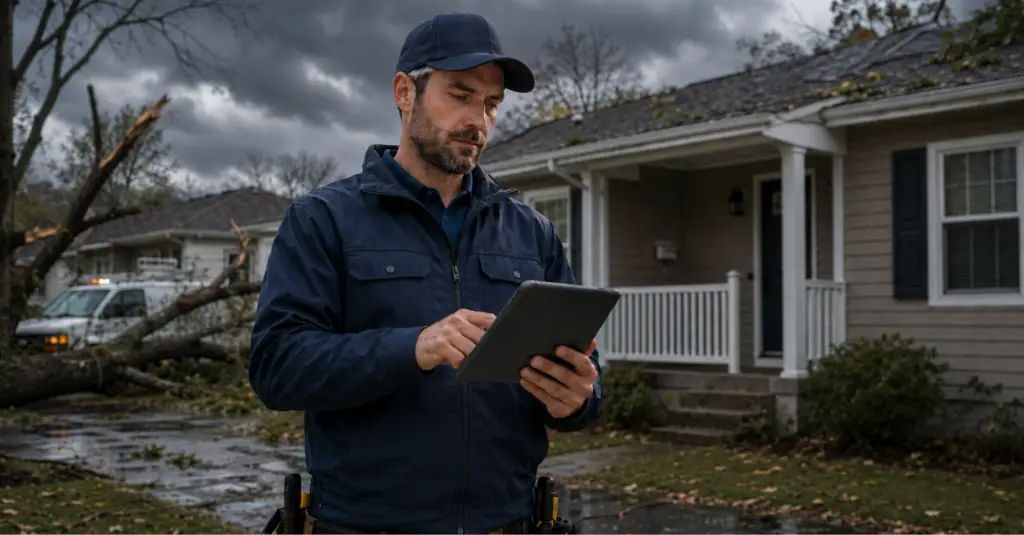
For example, a heat wave rolls in, severe storms hit overnight, heavy rain creates flooding concerns, or high winds damage roofs, fences, trees, and exterior systems. Suddenly, homeowners who weren’t thinking about service yesterday are searching for help today.
For home service businesses, these demand spikes can create a major opportunity, but they could also create a major mess.
If your marketing, call handling, CRM, scheduling, and follow-up systems aren’t ready, seasonal demand can turn into missed calls, untracked leads, poor response times, and wasted ad spend.
That’s why contractors need a 24-hour marketing response plan.
Having a response plan is about knowing what to do when demand shifts quickly so your team can respond with clarity, confidence, and speed.
What Is a 24-Hour Marketing Response Plan?
A 24-hour marketing response plan is a short-term action plan designed to help a home service business respond quickly when demand changes.
This could be triggered by weather, seasonality, local events, emergency conditions, or sudden changes in lead volume.
For example, a roofing company may need to adjust messaging after hail and wind move through the area. An HVAC company may need to prepare for a surge in AC repair calls during extreme heat. A restoration company may need to shift quickly when heavy rain creates flooding risk.
The goal is to make sure your marketing and operations are aligned within the first 24 hours of the demand shift.
A strong response plan should answer:
- Who is monitoring demand?
- What services should be prioritized?
- Which campaigns need to be adjusted?
- What messaging needs to change?
- Who is answering calls and forms?
- How are leads being tracked?
- What happens if lead volume exceeds capacity?
When everyone knows the plan, your business can move faster and more efficiently without scrambling.
Why Seasonal Demand Creates Marketing Pressure
Seasonal demand can create a rush of high-intent customers in a short period of time. That sounds like a good thing, and it can be. But it also puts pressure on every part of your marketing funnel.
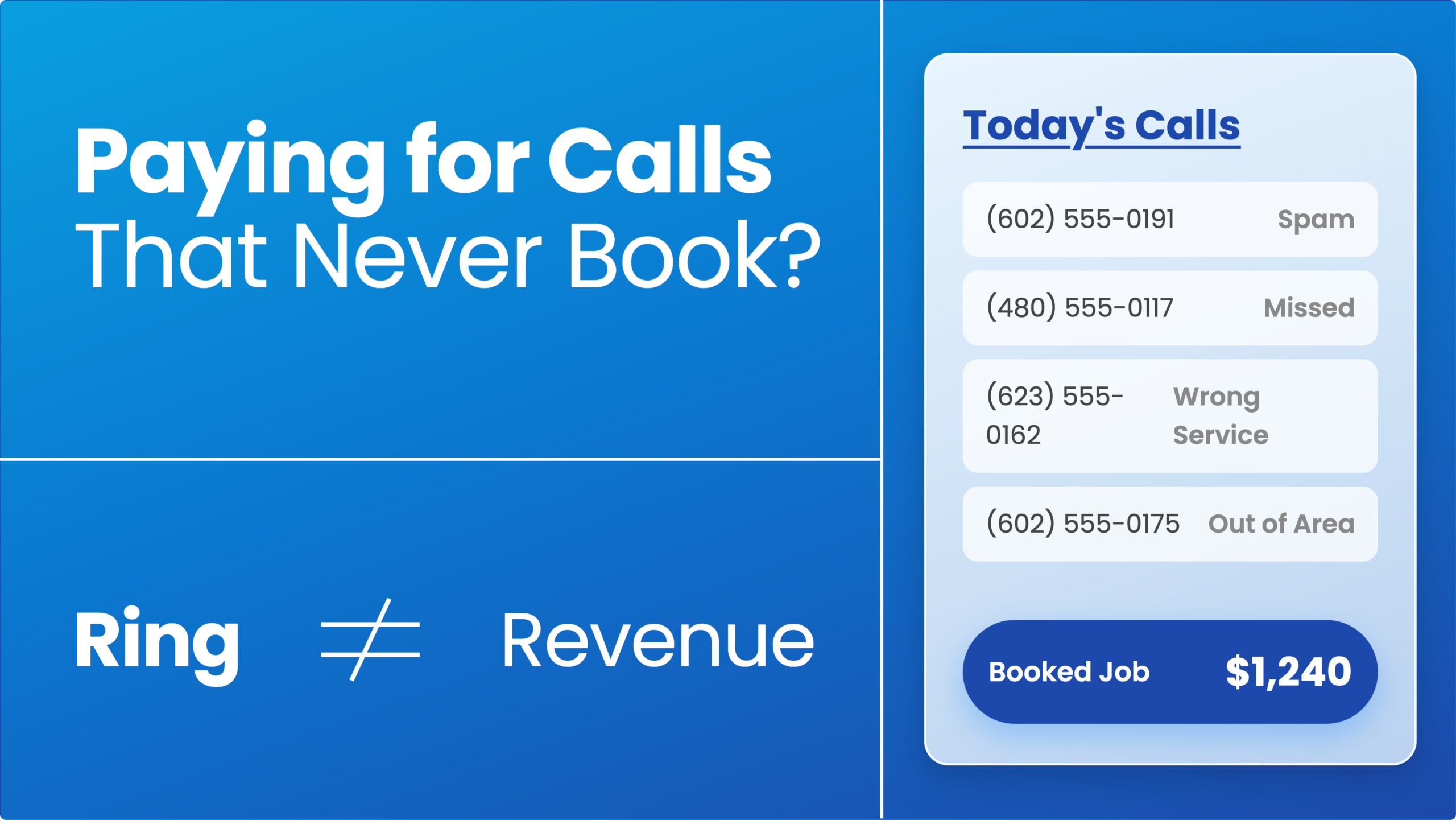
Your ads may start getting more clicks, your Google Business Profile may get more activity, your phones may ring more often, your website may see higher traffic, and lead platforms like Yelp, Thumbtack, Angi, and Google Local Services Ads may start sending more inquiries.
If your team is ready, this can lead to more booked jobs. But if your team isn’t prepared, it can expose problems quickly.
Common issues include:
- Missed calls
- Slow form follow-up
- Outdated service messaging
- Campaigns promoting the wrong services
- Budgets running out too early
- Leads getting lost between platforms
- CSRs not knowing which jobs to prioritize
- No visibility into which channels are actually producing booked work
Seasonal demand doesn’t just test your marketing. It tests your entire lead management process.
Using Weather and Seasonal Events as Demand Signals
Contractors don’t always need to guess when demand might shift. There are often signals before the lead surge happens. Weather events are one of the clearest examples.
Severe storms can create immediate demand for roofing, restoration, tree service, electrical, garage door, and cleanup services. Heavy rain can increase demand for water mitigation, drainage help, plumbing, and restoration. And extreme heat can drive HVAC repair, AC replacement, maintenance, and indoor air quality calls.
In a real life example, last weekend, June 13, 2026, multiple regions were dealing with exactly these kinds of demand triggers. The Kansas City area had severe weather concerns with damaging wind, hail, possible tornadoes, and flash flooding risks. Kansas also had severe storm alerts with large hail and damaging winds as primary threats. In the Midwest, severe storms and tornadoes had already caused damage, power outages, and at least one reported death. Additionally, South Texas was also watching tropical moisture that could bring heavier rainfall and isolated flooding concerns.
It’s not realistic for contractors to chase every single weather event that happens in their area. The point is to understand how weather affects customer behavior.
When conditions change, homeowners start searching for answers:
- Who can fix my AC today?
- Is my roof leaking because of storm damage?
- What should I do after my basement floods?
- Who repairs electrical issues after a storm?
- How fast can someone come out?
If your marketing is ready to answer those questions quickly, you’re in a better position to capture demand when it spikes.
Step 1: Identify Which Services Will See the Highest Demand
The first move in a 24-hour response plan is deciding what services matter most right now. Not every service needs the same push during every seasonal event.
After severe storms, a roofing company may prioritize leak repair, inspections, emergency tarping, or storm damage assessments. A restoration company may prioritize water extraction, flood cleanup, and emergency response. An HVAC company may shift messaging toward no-cool calls during heat or system checks after power outages.
The key is to match your marketing to what customers are likely experiencing.
Ask:
- What just happened in the market?
- What problems are homeowners likely dealing with?
- Which services can we actually handle right now?
- Which jobs are most urgent?
- Which jobs are most profitable?
- What capacity does our team have today?
This prevents your marketing from creating demand your team can’t support.
For example, if storms hit overnight and your roofing team only has capacity for emergency leak calls, your messaging should reflect that. If your HVAC team is booked solid for replacements but can still handle emergency diagnostics, your campaigns should be adjusted accordingly.
Step 2: Update Your Messaging Quickly
During a demand spike, generic marketing won’t work as well as timely, specific messaging.
Homeowners are looking for help with a current problem. Your ads, website, social posts, and email or SMS messages should reflect that.
Instead of saying:
“Call us for roofing services”
A stronger message might say:
“Storms in the area? If you’re seeing roof leaks, missing shingles, or water spots, our team can help assess the issue and explain next steps.”
Or instead of saying:
“Schedule HVAC service today”
A stronger message might say:
“AC struggling in the heat? If your system is running but not cooling, schedule service before the issue gets worse.”
Your goal is to make the message match the moment.
A good seasonal demand message should be:
- Clear
- Specific
- Helpful
- Service-focused
- Easy to act on
Avoid scare tactics, overpromising, or making claims your team can’t support.
Your messaging should help homeowners understand what to do next, not pressure them into panic.
Step 3: Adjust Paid Media and Lead Platform Strategy
When demand changes quickly, paid media may need to change with it.
That doesn’t always mean you have to spend more immediately. Instead, reviews whether your campaigns are aligned with the current opportunity.
For Google Ads, Local Services Ads, Yelp, Thumbtack, Angi, and other lead platforms, your team should check:
- Which services are being promoted?
- Which locations are active?
- Whether budgets are pacing too quickly
- Whether high-priority services need more visibility
- Whether lower-priority campaigns should be paused or reduced
- Whether landing pages match current demand
For example, if severe storms are moving through a roofing market, it may make sense to prioritize storm-related service campaigns and landing pages. If a heat wave is driving HVAC calls, AC repair and no-cool messaging may deserve more budget attention than general maintenance content.
The mistake that wastes money is letting campaigns run on autopilot when the market has clearly shifted. Seasonal demand can make good campaigns work better, but it can also make weak targeting more expensive.
That’s why response plans should include a fast campaign review.
Step 4: Make Sure Your Website and Landing Pages Match the Moment
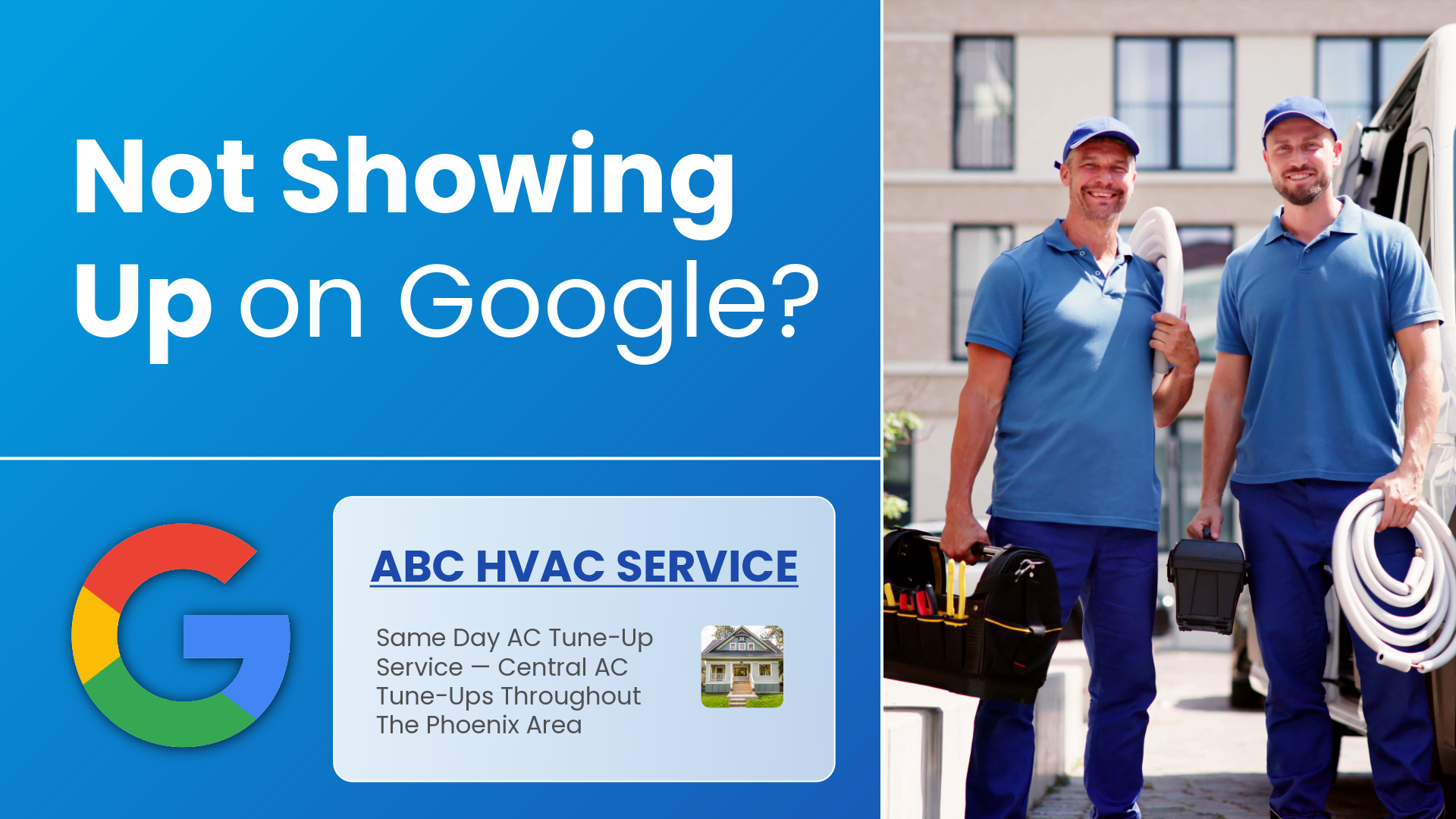
If your ads and social posts are talking about storm response, heat-related service, or emergency repair, your website needs to support that message.
A homeowner should not click an ad about AC repair and land on a generic homepage where they have to hunt for help.
Your landing page should clearly explain:
- What service you offer
- Where you offer it
- When customers should reach out
- How quickly your team can respond
- What the next step is
- How to call, book, or request service
During seasonal demand, clarity is more important than cleverness. People are usually moving fast. They want to know if you can help, whether you serve their area, and how to contact you.
This is also where mobile experience becomes critical.
Many homeowners search from their phones during or immediately after weather events. If your site is slow, hard to navigate, or difficult to use on mobile, you can lose the lead before they ever call.
Step 5: Prepare Your Call Handling and Lead Response Process
A seasonal demand spike can expose weak lead handling almost immediately. It doesn’t matter how good your ads are if calls go unanswered.
Before demand increases, your team should know exactly how leads will be handled.
That includes:
- Who answers calls?
- Who responds to web forms?
- Who monitors lead platforms?
- Who handles after-hours inquiries?
- What happens if call volume exceeds capacity?
- How fast should every new lead receive a response?
- Which types of jobs get priority?
If you have automation in place, this is where it can make a big difference.
An autoresponder can acknowledge a new lead immediately, SMS follow-up can keep the conversation moving, missed call follow-up can help recover opportunities that would otherwise disappear, and CRM workflows can help make sure leads don’t get forgotten during busy periods.
Speed matters most when homeowners are actively comparing options.
During high-demand periods, the first contractor to respond clearly and professionally often has a major advantage.
Step 6: Segment Leads by Urgency and Service Type
Not every lead should be treated the same during seasonal demand.
A homeowner with active water intrusion needs a different response than someone asking about a future maintenance appointment. Similarly, an HVAC call during extreme heat may need a faster path than a general estimate request. And again, a roofing lead with an active leak may need different prioritization than someone asking about replacement options for later in the year.
This is where segmentation helps.
You can segment leads by:
- Emergency vs non-emergency
- Service type
- Location
- Lead source
- Estimated job value
- Appointment urgency
- New customer vs existing customer
This allows your team to prioritize without losing track of lower-urgency opportunities. It also helps with follow-up.
A customer who doesn’t need service today may still be a good lead later on. Likewise, a customer who isn’t quite ready to book now may need a reminder, education, or estimate follow-up later.
The goal is to move fast without letting anything fall through the cracks.
Step 7: Use Email and SMS to Communicate With Existing Customers
Seasonal demand doesn’t only come from new leads, it can also come from your existing customer base.
If a major weather event, heat wave, cold snap, or seasonal shift affects your market, email and SMS can help you communicate quickly with customers who already know your business.
For example, an HVAC company could send a short message before extreme heat:
“Hot weather is moving in. If your AC has been struggling, now is a good time to schedule service before peak demand hits.”
A roofing company could send a helpful post-storm message:
“Severe storms moved through the area last night. If you notice leaks, missing shingles, or water spots, document what you see and schedule an inspection before the issue worsens.”
A restoration company could send a rainfall-related message:
“Heavy rain can expose drainage and moisture issues quickly. If you notice standing water, damp floors, or new musty smells, it’s worth addressing early.”
The best messages are helpful, timely, and relevant. But remember that they shouldn’t feel like scare tactics. Frame your messaging as useful guidance from a company that understands the local conditions.
Step 8: Track Leads in Real Time
During seasonal demand, waiting until the end of the month to review performance is too little, too late. You need visibility while the demand is happening.
Your team should be watching:
- Lead volume by source
- Missed calls
- Form submissions
- Booked jobs
- Response time
- Cost per lead
- Cost per booked job
- Capacity by service type
- Revenue by source
This is where connected reporting becomes important.
If your Google Ads, Local Services Ads, Yelp, Thumbtack, Angi, website forms, and CRM are all separated, it becomes difficult to know what’s really happening.
You may see leads coming in, but not know which ones booked. Sometimes it’s possible to increase budget in one channel without even realizing another channel is producing better jobs. It’s easy to assume marketing is underperforming when the real issue is missed calls or slow follow-up.
Real-time visibility helps you make better decisions within the 24-hour window.
That might mean increasing budget, pausing a campaign, shifting focus to another service, adding call support, changing landing page messaging, or tightening your follow-up process.
Step 9: Review What Happened After the Demand Spike
The response plan doesn’t end when the weather clears or the demand spike slows down. Now, your learning begins. After the first 24 hours, review what happened.
Ask:
- Which channels produced the most leads?
- Which channels produced the most booked jobs?
- How many calls were missed?
- How fast did the team respond?
- Which services had the highest demand?
- Which campaigns spent too quickly?
- Which leads were poor-fit?
- Which follow-ups still need to happen?
This review helps improve your next response plan.
Seasonal demand will happen again. Storms, heat waves, cold snaps, heavy rain, and peak service periods are all part of home services.
Every demand spike is a chance to improve your system before the next one hits.
Example Of a 24-Hour Marketing Response Plan
A strong response plan doesn’t have to be complicated. Here’s a simple example:
Hour 1: Assess Demand
Review local conditions, service capacity, open schedules, and likely demand by service type.
Hours 2 to 4: Adjust Messaging
Update ads, landing pages, Google Business Profile posts, social media, email, and SMS messaging based on what customers are likely searching for.
Hours 4 to 8: Review Campaigns
Check budgets, pacing, location targeting, service focus, and lead platform settings.
Hours 8 to 12: Strengthen Lead Handling
Confirm who is answering calls, responding to forms, monitoring lead platforms, and managing after-hours follow-up.
Hours 12 to 24: Track and Adjust
Watch lead volume, booked jobs, missed calls, cost per lead, cost per booked job, and capacity. Adjust campaigns and follow-up as needed.
The exact timeline can change, but the principle stays the same.
Monitor demand, match the message, capture the lead, respond fast, and track the results.
How VIIRL Helps Contractors Respond to Seasonal Demand
At VIIRL, we help home service businesses build marketing systems that can respond when demand shifts.
That includes paid media, SEO, lead platforms, website strategy, CRM tracking, automation, and reporting.
When seasonal demand spikes, contractors need a system that can help them understand where leads are coming from, how quickly they’re being handled, and which channels are turning into booked jobs.
Through marketing tools like Lead Cloud, VIIRL helps contractors connect marketing data with CRM performance so owners can make better decisions during busy periods.
That matters because seasonal demand moves fast. If your reporting is delayed, disconnected, or incomplete, you may not see the full picture until the opportunity has already passed.
VIIRL helps home service businesses prepare for those moments with smarter campaign management, stronger tracking, and better follow-up systems.
Build Your System Before Demand Hits
The best time to build a seasonal response plan is before you need one. When storms are already moving in or calls are already piling up, it’s much harder to adjust your marketing foundation.
A 24-hour marketing response plan gives your team a clear way to act quickly when demand changes. It helps align your messaging, campaigns, lead handling, tracking, and follow-up around the services your customers need most.
For contractors, seasonal demand can create great opportunity, if your team is ready to capture it.
If you’re not sure whether your marketing system is ready for the next demand spike, start with a free marketing audit from VIIRL.