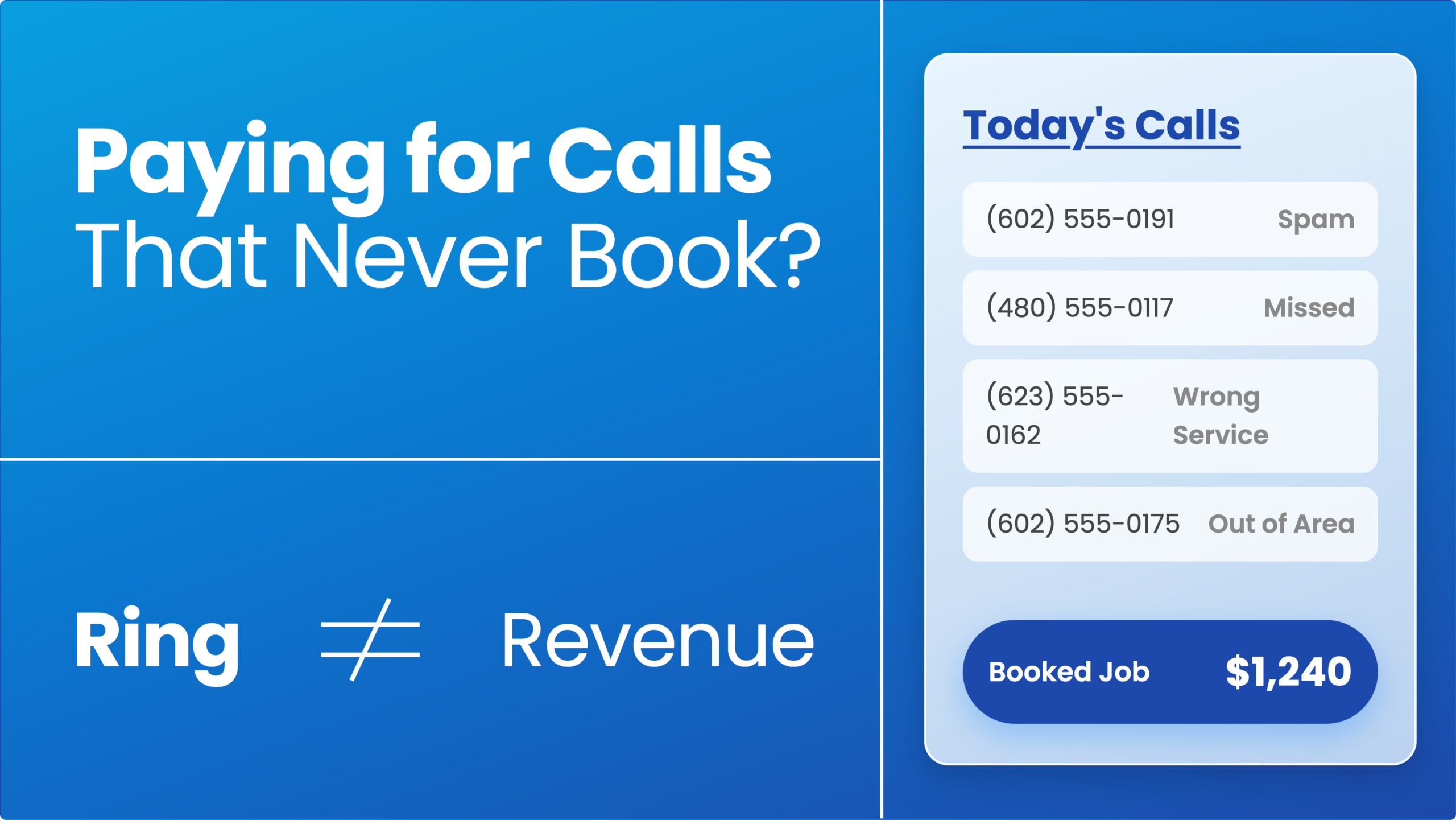
What happens after someone clicks on your website? At the top of your marketing funnel, people are finding your business, and at the bottom they should be booking jobs. But somewhere in the middle, a lot of them drop off.
It’s not uncommon to see solid website traffic and still feel like leads are inconsistent. Getting found on Google is only part of the equation. That gap between “click” and “customer” is where most opportunities are lost.
If your website isn’t set up to turn visitors into calls or form fills, you can end up paying for attention that never turns into revenue.
That’s where SEO and CRO come in, and they need to work together.
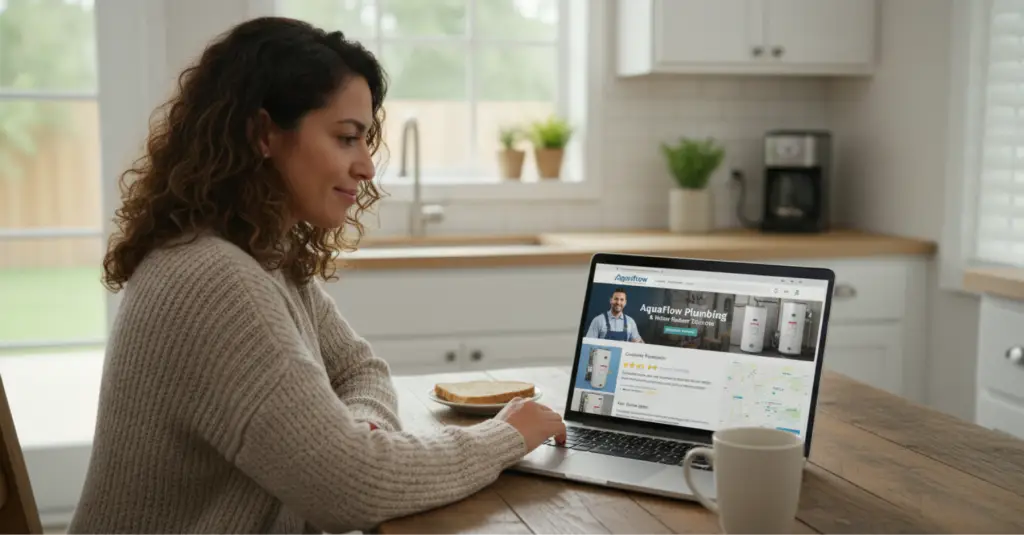
What Is SEO (Search Engine Optimization)?
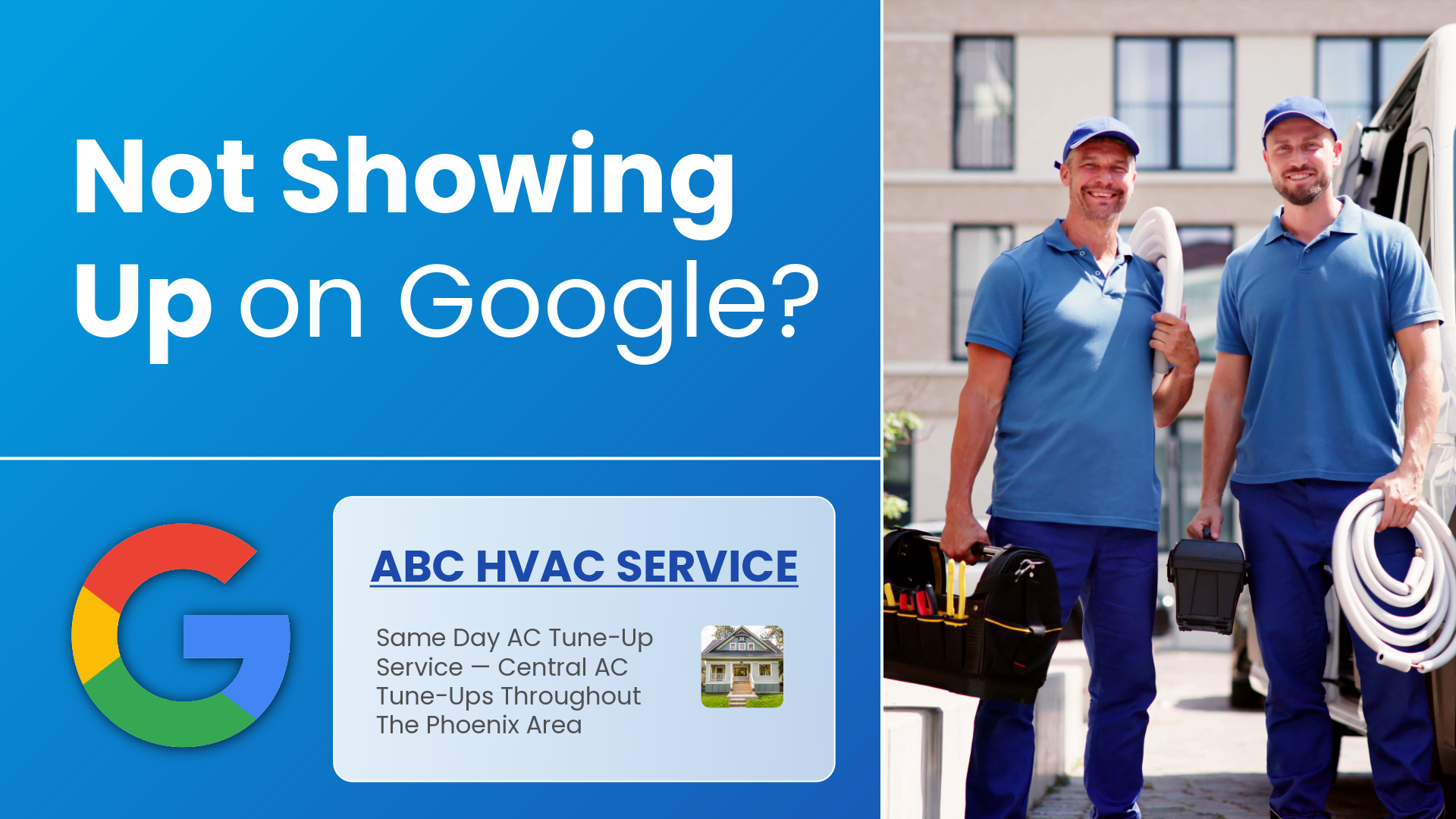
SEO is what helps your business show up on Google without paying for ads.
When someone searches for something like “AC repair costs” or “plumber in Phoenix,” the results they see under the ads are organic results, and that’s where SEO comes in.
But SEO isn’t just about “being on Google.” It’s how Google decides who to show and in what order.
How SEO Works (Broken Down)
Search engines like Google are constantly scanning the internet to understand what every page is about.
They do this using automated systems often referred to as “crawlers.”
These crawlers:
- visit your website
- read your content
- analyze your keywords and structure
- store that information in Google’s index
Then, when someone searches for a service, Google pulls from that index and ranks pages based on how relevant and helpful they appear.
That’s why SEO is really about alignment.
- What people search for
- What your website says
- How clearly those match
How Keywords Are Used In SEO
Keywords are a big part of how Google understands your website.
If someone searches “emergency plumber,” Google is looking for pages that clearly talk about that service.
That’s why strong SEO strategies focus on:
- Using the right service + location keywords
- Creating pages that match real search intent
- Making sure content is clear and specific
The more specific and relevant your content is, the easier it is for Google to match it to searches.
How Google SEO Ranking Works (Why Some Businesses Show Up First)
Not every website ranks the same, and that’s where competition comes in.
Google looks at a mix of factors when deciding rankings, including:
- How relevant your page is to the search
- How trustworthy your website appears
- How well your site performs (speed, mobile experience)
- How much authority your business has online
For home service businesses, local signals also play a big role, like:
- Your Google Business Profile
- Your service areas
- Consistency across platforms
SEO is a combination of all these signals working together.
Why SEO Takes Time
One of the biggest misconceptions about SEO is that it works instantly. It doesn’t.
SEO takes time to show results because:
- Google needs time to crawl and index your site
- Rankings are competitive and constantly changing
- Authority builds over time
Think of SEO like building reputation. The more consistent and clear your presence is, the more likely you are to show up. But it’s not something you can turn on overnight like ads.
What SEO Looks Like For Home Service Contractors
For home service businesses, SEO usually includes a mix of:
- Service pages for each offering (plumbing, HVAC, roofing, etc.)
- Optimized Google Business Profile
- Content that answers common customer questions (think FAQ)
- Helpful blog posts or review highlights on your website
All of this works together to increase your visibility when people are actively searching.
What Is CRO (Conversion Rate Optimization)?
CRO is what determines whether your website actually turns visitors into leads. Once someone clicks on your site, they’re making a quick decision:
Should I contact this business… or keep looking?
CRO focuses on everything that influences that decision. At this point, your goal is not getting more traffic. It’s to get more results from the traffic you already have.
What “Conversion” Means In Marketing
A conversion is simply the action you want someone to take on your website.
For home service businesses, that usually means:
- Calling your business
- Filling out a form
- Booking a service
Not every visitor will convert, and that’s very normal. CRO is about increasing the percentage of visitors who do.
How CRO Works
When someone lands on your website, they’re usually scanning quickly.
They’re asking questions like:
- Do you offer the service I need?
- Do you work in my area?
- Can I trust you?
- How do I contact you?
CRO is about answering those questions clearly and quickly. That means removing friction and making the next step obvious.
If a user has to think too hard, scroll too much, or search for information, they’ll leave.
What Impacts Conversion Rates
A lot of small details influence whether someone takes action on your website.
For contractors, some of the biggest ones include:
- Clarity
Is it obvious what services you offer and where you operate?
- Speed
Does your site load quickly, especially on mobile?
- Ease of contact
Can someone call or book without digging around?
- Trust signals
Do you show reviews, photos, or proof of work?
- Mobile experience
Is everything easy to use on a phone?
Most of the time, conversion rate optimization issues are a combination of small friction points that add up.
Why CRO Matters More Than Most People Realize
It’s easy to focus on getting more traffic, but if your site isn’t converting, that traffic doesn’t go very far.
For example:
If 100 people visit your site and 5 become leads → 5% conversion rate
If you improve that to 10% → you just doubled your leads
(Same traffic, better results!)
That’s why CRO has such a big impact on marketing performance. It doesn’t require more budget, just better execution.
What CRO Looks Like for Home Service Businesses
The best-performing contractor sites are usually simple and direct.
They focus on:
- Clear “Call Now” and “Schedule Service” buttons
- Easy-to-find phone numbers (especially on mobile)
- Straightforward service descriptions
- Clean layouts with minimal distractions
- Real photos and customer-focused messaging
The goal is to guide the user toward one clear action, not overwhelm them with options.
SEO Brings Traffic. CRO Turns It Into Leads.
SEO and CRO are often talked about as separate strategies, but they’re really two parts of the same system.
SEO is what gets your business in front of potential customers. It helps you show up when someone is actively searching for your services. But once that person clicks on your website, SEO’s job is done.
That’s where CRO takes over. CRO is what determines whether that visitor actually becomes a lead. It’s what turns interest into action.
If SEO is working without CRO, you might get traffic without results. If CRO is working without SEO, you might convert well, but not have enough visitors to grow.
When both are working together, your marketing becomes much more efficient.
Simple Ways to Improve SEO and CRO Together
You don’t have to treat these as separate strategies. In fact, they work best when they’re aligned.
Here are a few ways to approach both at the same time:
- Match your keywords to your content
If someone searches “emergency plumber,” your page should clearly speak to that need and offer a quick way to get help
- Make your next step obvious
Every page should guide the user toward calling, booking, or contacting you
- Keep your website fast and mobile-friendly
Most home service searches happen on mobile, especially in urgent situations
- Use real photos and clear messaging
People want to know who they’re hiring and what to expect
- Track what turns into jobs
Not just clicks or traffic, but real conversions and revenue
Why SEO and CRO Matter for Your Marketing Budget
If you’re investing in marketing, you want to make sure it’s actually paying off.
Focusing only on SEO can lead to:
- More traffic, but low conversion rates
- Higher cost per lead
- Missed opportunities
Focusing only on CRO can lead to:
- Strong conversion rates
- Limited growth due to low traffic
When both are working together, you get:
- Better return on ad spend
- More leads from the same traffic
- More consistent growth over time
The most effective strategy for converting leads on your website is making sure your SEO and CRO strategies are working together seamlessly.
Turning Traffic Into Booked Jobs
At VIIRL, we focus on what happens after that visibility turns into traffic.
That means looking at:
- where your leads are coming from
- how users interact with your website
- what’s helping (or hurting) your conversion rates
If you’re not sure how your website is performing or where you might be losing opportunities, it can help to step back and look at the full picture.
At VIIRL, we work with home service businesses to improve both visibility and conversion so your marketing is actually driving results.
Start with a free marketing audit from an expert in your industry to get a clearer picture of where you stand.